

Green building certification is more than a mark of environmental responsibility. For developers and building owners, it provides a framework for improving building performance, while occupants stand to benefit from lower utility bills, healthier indoor environments and more sustainable living spaces.
At ENGINEER MARVEX, visitors had the opportunity to explore how green building certification can turn sustainability ambitions into tangible benefits, with organisations such as GreenRE, the Green Building Index (GBI), BSD Consulting and the Malaysia Green Building Council (MGBC) showcasing their respective roles in advancing sustainable development.
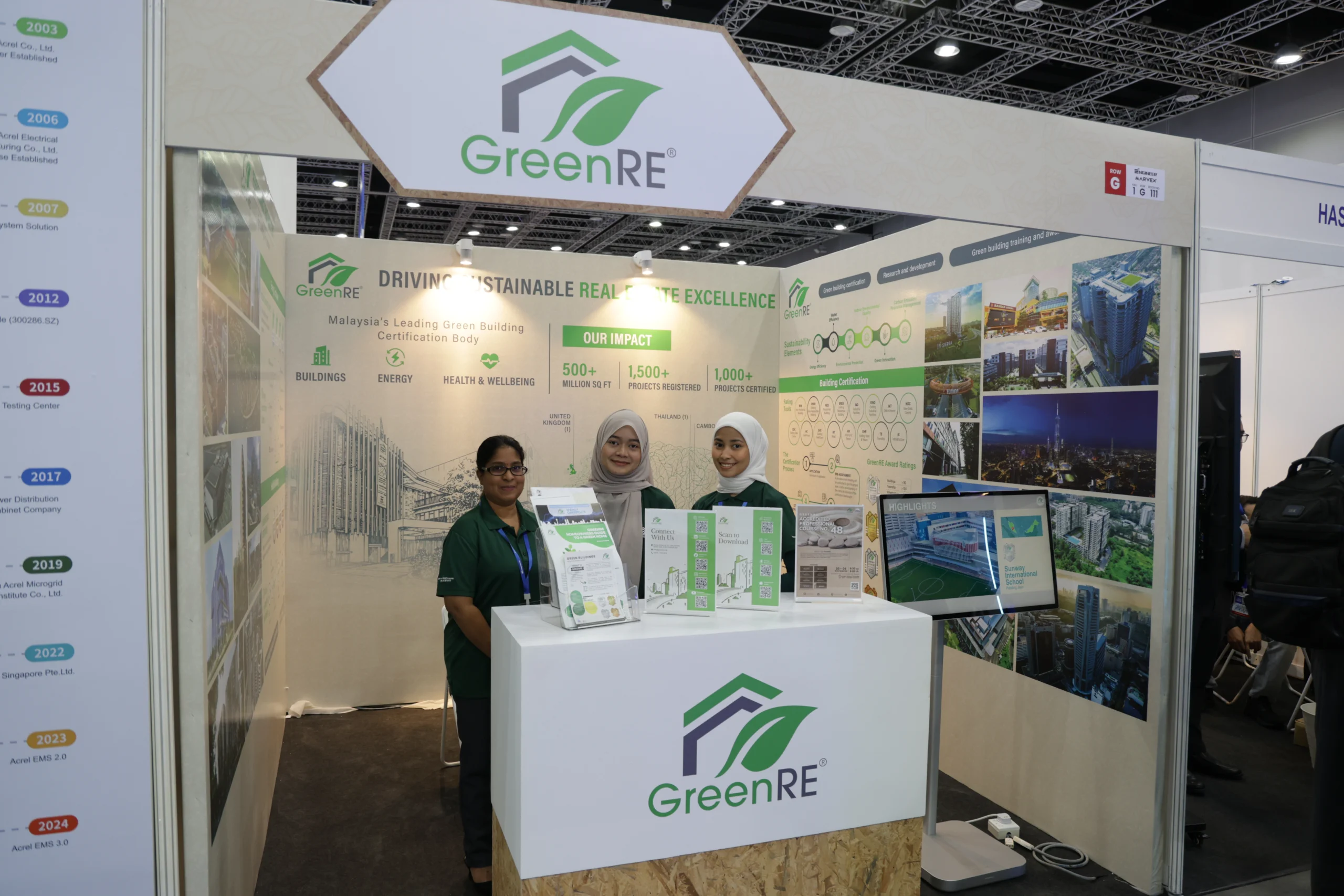
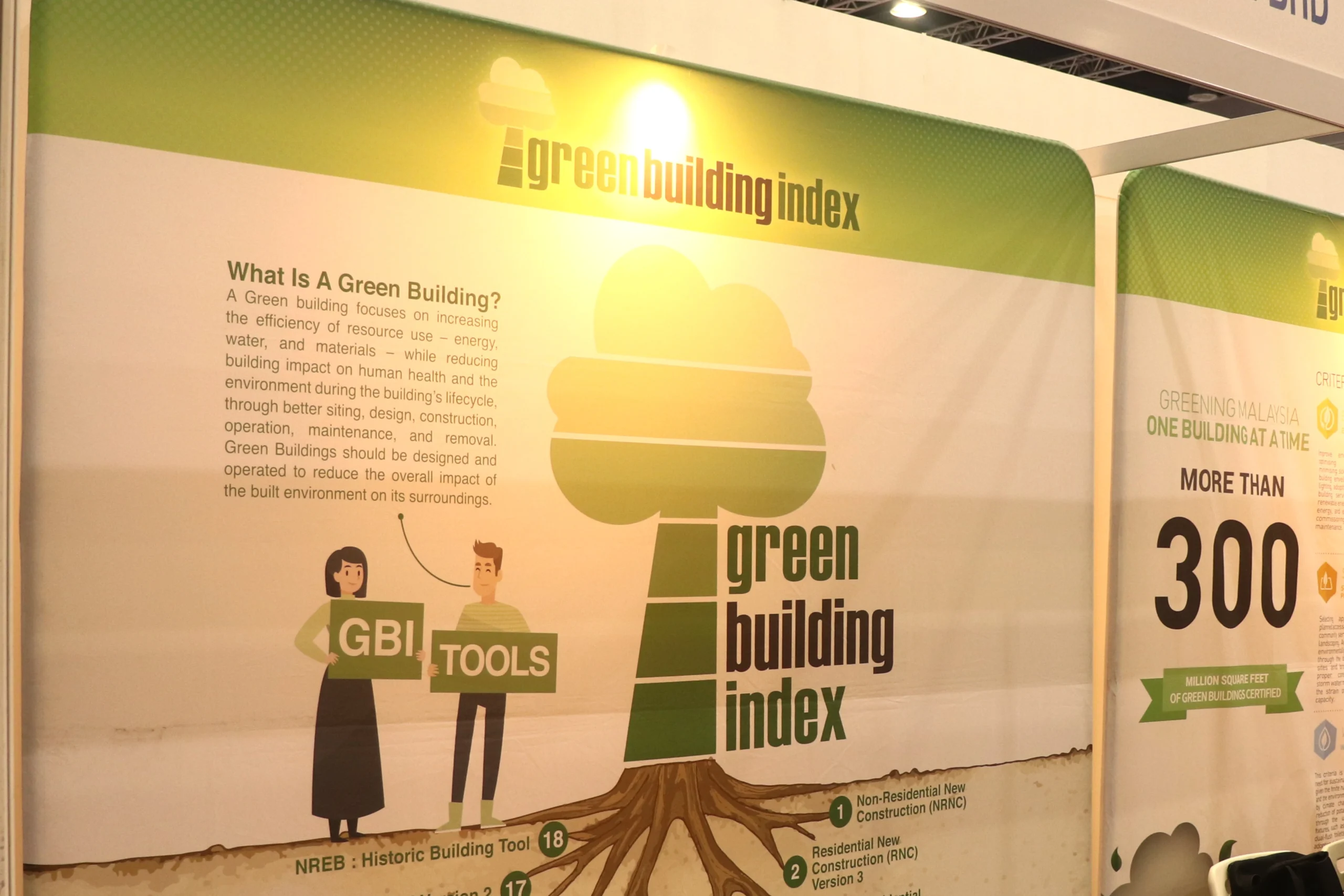
Among them were GreenRE and GBI, two Malaysian green building certification schemes that assess buildings against sustainability criteria. According to Nariemah Binti Abd Ghaffar, Training Manager at GreenRE, the benefits of green certification extend beyond developers to the people who ultimately occupy these buildings.
“Over the long term, occupants can enjoy savings on their electricity and water bills. Our certification also considers other aspects, such as access to public transport, which can benefit residents,” she said.
GreenRE’s certification process also extends beyond the design stage. Projects may first obtain provisional certification before undergoing a final assessment upon completion. Final certification is valid for three years, after which buildings can undergo renewal under the existing building assessment framework.
But achieving certification requires careful planning and technical expertise.
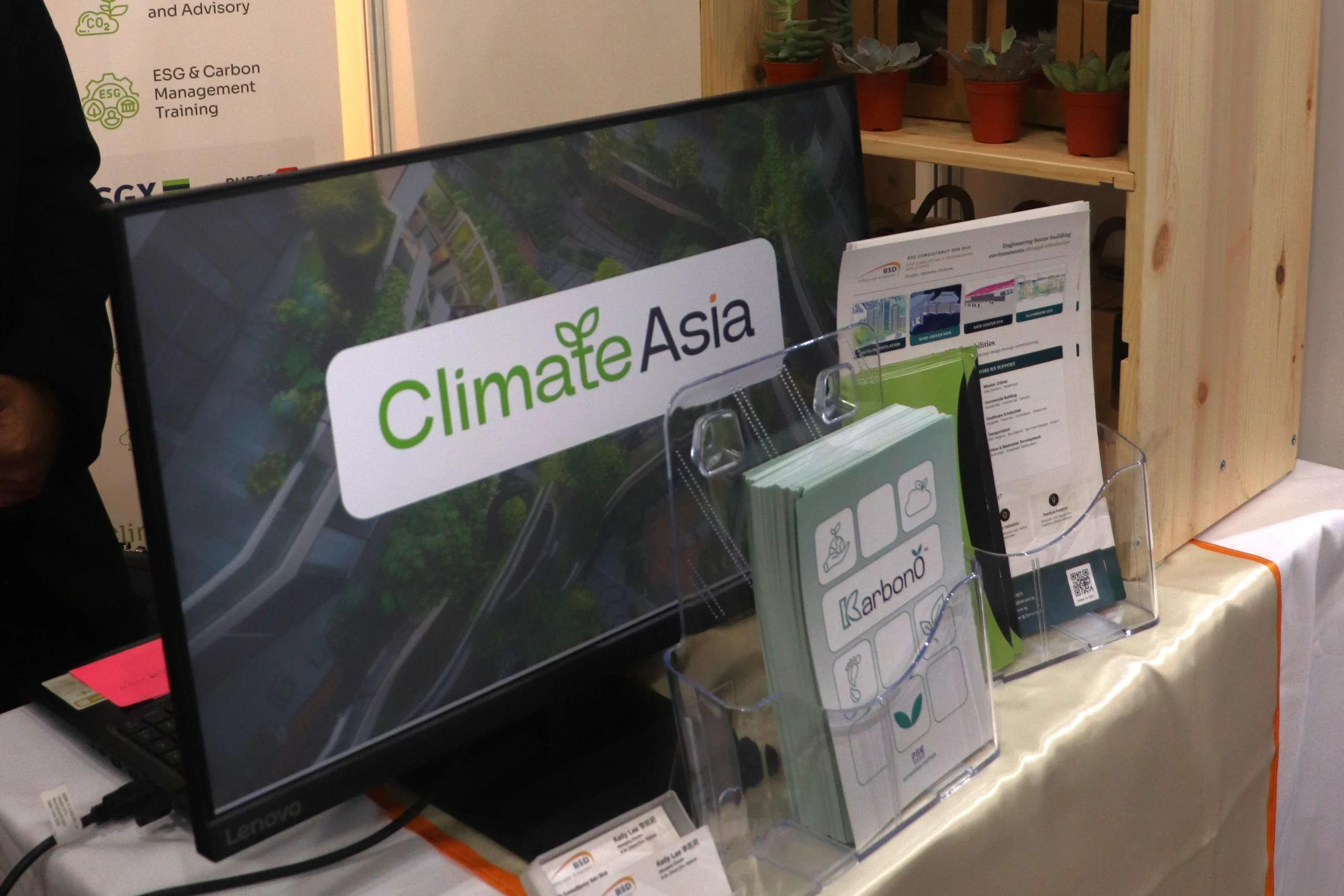
Michel Ryan, ESD Engineer at BSD Consultancy, explained that the consultancy works with developers and project teams to identify sustainable design strategies that meet their targeted certification ratings.
“We advise clients on the sustainable designs they can incorporate into their projects to achieve their targeted ratings. These cover areas such as energy and water efficiency, material selection and indoor environmental quality,” he said.
With the rapid growth of data centres in Malaysia, particularly in Johor, carbon management has also become an increasingly important part of BSD’s work. The consultancy assists clients in estimating annual carbon emissions and developing roadmaps to progressively reduce their environmental impact.
“Before purchasing renewable energy certificates or carbon credits, companies should first improve the energy efficiency of their projects. This is particularly important for data centres, where energy consumption accounts for a significant proportion of overall emissions,” Ryan added.
Beyond technical implementation, wider industry awareness is essential to encourage green building adoption.
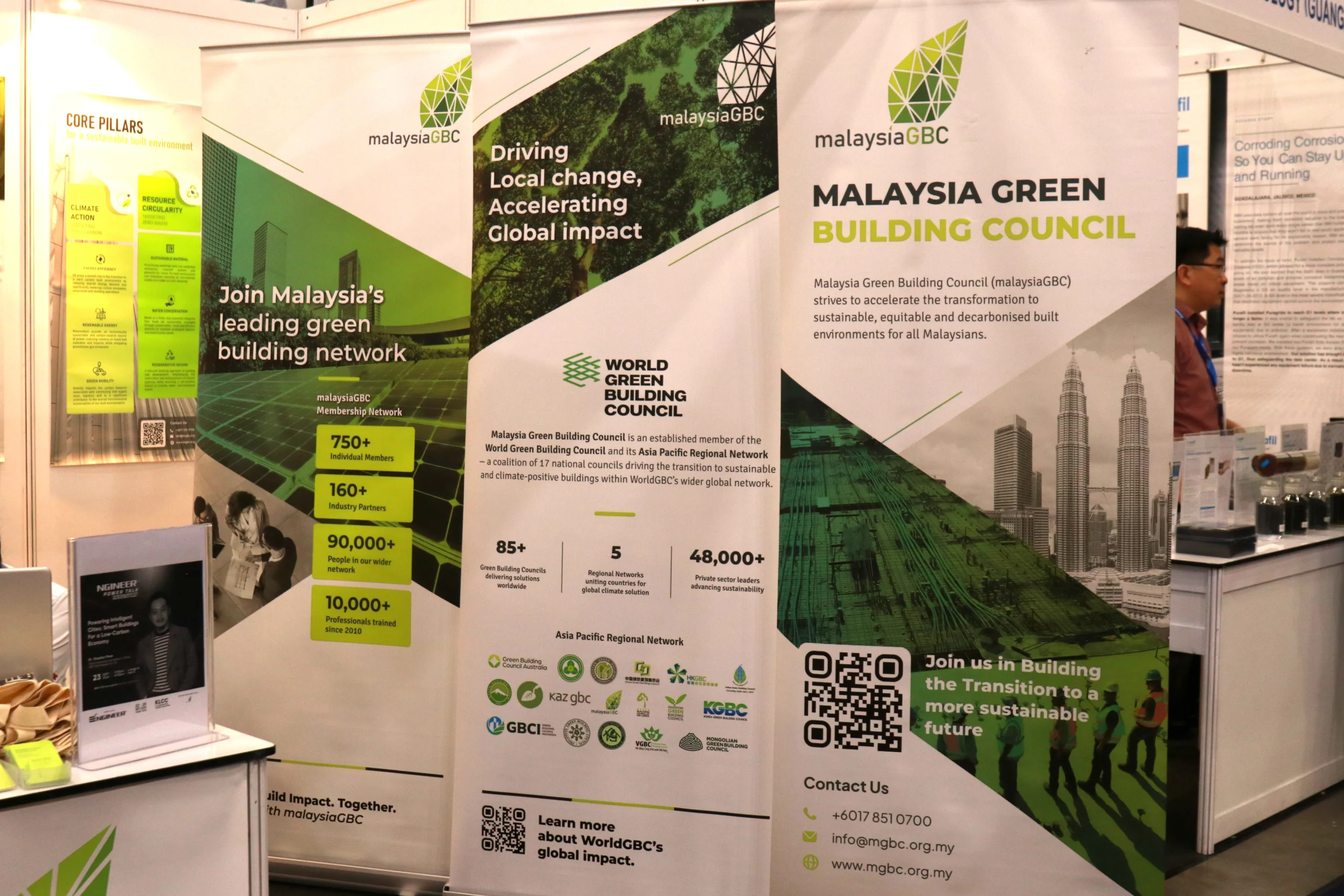
Fatheen Athira Kamaruddin, Project Officer at MGBC, said the council brings together developers, manufacturers, construction companies, universities and other industry stakeholders through advocacy and knowledge-sharing initiatives.
“We provide a platform for industry players to come together and share knowledge through seminars, webinars and conferences on sustainability. Our membership also gives companies working towards sustainability greater recognition,” she said.
Together, the four organisations demonstrate how green building certification is supported by an ecosystem of rating frameworks, technical consultancy and industry collaboration.